Wednesday, January 20, 2021

From Ian:
EXCLUSIVE: As Trump exits, the full Mossad story on normalization into focus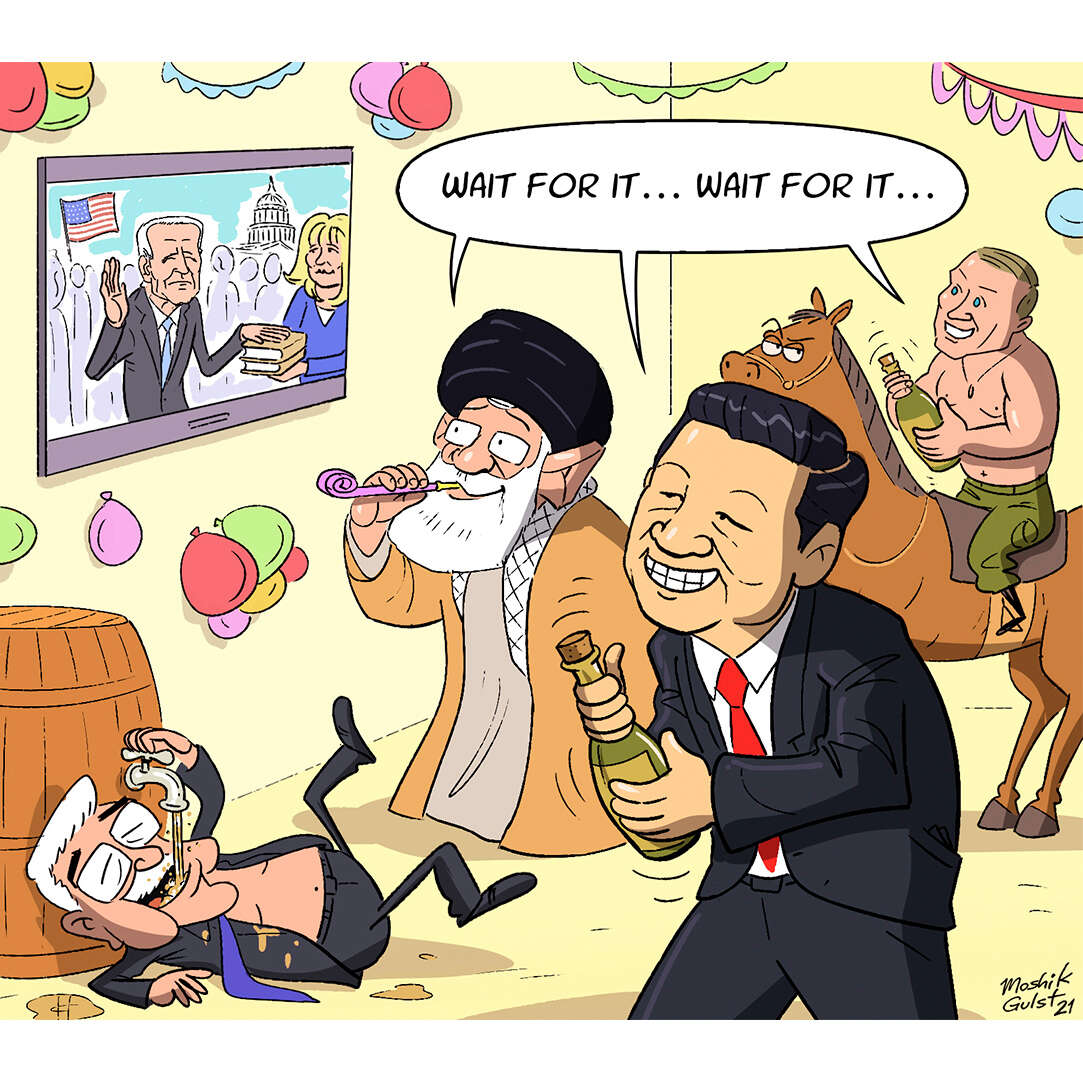
EXCLUSIVE: As Trump exits, the full Mossad story on normalization into focus
As the administration of president Donald Trump exits stage left, it’s time to take stock of the four normalization deals that Israel has already signed.Trump officials: Mauritania, Indonesia were next to normalize, but time ran out
But there is a crucial piece of the story that has not been emphasized.
Contrary to conventional wisdom, although the July-to-December 2020 wave of deals provided the historic photos, the turning point moments were back in 2017 and 2019, The Jerusalem Post has learned. Also, though, it has not yet signed an agreement itself, the key party was always Saudi Arabia.
Much of the de-emphasis of these points has to do with Mossad chief Yossi Cohen – whose acts were mostly shrouded in mystery until a major speech in July 2019 – who was leading the Israeli push by Prime Minister Benjamin Netanyahu.
There have been multiple narratives about who really got the ball rolling between Israel, the US and the UAE, and about when was the critical turning point.
Of course, part of the complex answer is that each country in the Israel, UAE, US triad played its part.
Also, each of the countries that came afterward made its own contributions which helped form the order of who would be “in” during the Trump era and who would play “wait and see.”
But to properly understand what happened in 2020, Israeli intelligence sources would say that it is imperative to understand the behind-the-scenes role of Cohen and the Saudis and what happened in September-November 2017, and in July 2019.
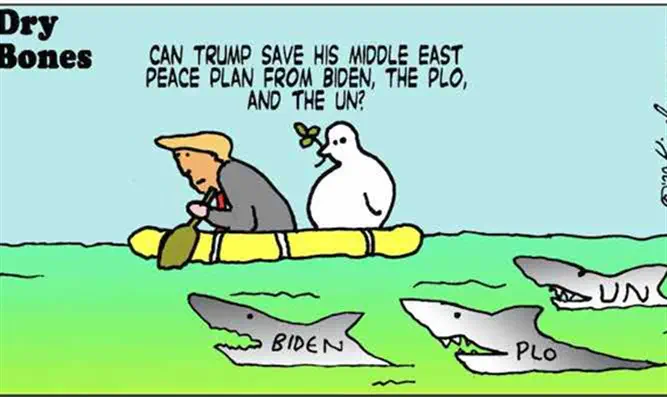
The Trump administration was closing in on agreements with Mauritania and Indonesia to be the next Muslim countries to normalize relations with Israel, but ran out of time before the Republican president’s term ended, two US officials told The Times of Israel this week.Melanie Phillips: On Iran, it's groundhog day all over again
An agreement with Mauritania was the closest to being reached, with US officials believing they were mere weeks away from finalizing a deal. The northwest African country was identified by the Trump peace team led by senior White House adviser Jared Kushner and special envoy Avi Berkowitz as a likely candidate to follow the United Arab Emirates, Bahrain, Sudan and Morocco in normalizing with the Jewish state, given that it once had relations with Israel.
Mauritania became just the third member of the Arab League to establish full diplomatic relations with Israel in 1999, but severed ties 10 years later against the backdrop of the 2008-2009 Gaza war.
After the UAE agreed to normalize ties with Israel in August, Mauritania’s Foreign Ministry issued a statement offering tepid support for the deal, saying it trusted Abu Dhabi’s “wisdom and good judgment” in signing the accord.
Mauritania also has close ties with Morocco, which similarly established relations with Israel in the 1990s only to break them off several years later. The Trump peace team was encouraging Rabat to push its neighbor and ally to forge ties with the Jewish state.
The next most likely candidate to join the so-called Abraham Accords was Indonesia, the US officials said, claiming that a deal could have been inked if Trump had another month or two in office.
When anxiety first surfaced that in Joe Biden the US would once again be led by a president who would be soft on Iran, some others attempted a positive gloss. Don’t worry, they said; in light of Iran’s appalling aggression over the past four years and the fact that the regime was now far weaker than it had been, Biden would be exceptionally stupid to cosy up to Tehran and re-empower this lethal threat to the Middle East and the west.
But with the Biden era about to begin, those fears have become even stronger. For the signals are all pointing towards the Democratic party’s cultural default of empowering evil people both at home and abroad and abandoning or actively trashing their victims. And against stiff competition from the world’s tyrants (China, North Korea, Russia), the Iranian regime is arguably the most dangerous.
In 2015, it was given a tremendous boost by the nuclear deal, brokered by US President Barack Obama and supported by (to their eternal shame) the UK, France, Germany and others. The fiction was that the deal would stop Iran from developing the nuclear weapons with which they had pledged to erase Israel and attack the west, because the agreement would bring the regime in from the diplomatic cold and thus transform it into a regular government.
The opposite happened. The deal funnelled billions of dollars into the regime, enabling it to increase its dominance of the region, repress its own people still further and continue its sponsorship of international terrorism. Far from stopping the Iranian bomb, the terms of the deal meant that at best it would only delay the Iranian nuclear weapons programme by a few years, and only assuming that the regime would not continue to cheat and lie.
It was actually a deal to facilitate the Iranian bomb and fund the regime’s genocidal and fanatical aggression abroad and tyrannical repression at home. It made Neville Chamberlain’s Munich agreement with Hitler look by comparison like an act of principled statesmanship.