Tuesday, July 02, 2019

From Ian:
Dublin's Anti-Israel Boycott Bill: Bad for Ireland, Worse for the Palestinians, Terrible for Everyone

Germany: Some Hate Speech 'More Equal than Others'
Dublin's Anti-Israel Boycott Bill: Bad for Ireland, Worse for the Palestinians, Terrible for Everyone
The chief government figure opposing the bill is Foreign Minister Simon Coveney. Coveney argues that Ireland risks its standing in the European Union because the bill is legally unsound. He is correct. A Brussels-based EU trade official warned the Irish government that "the bill would be in contravention of EU competence on trade matters," as the EU Commercial Treaty demands uniformity in member-state trade policies.
Irish politicians who passed it would likely be regarded as racist, particularly in view of the German Parliament's recent resolution to designate BDS (the Boycott, Divestment and Sanctions movement against Israel) as anti-Semitic.
In addition, there could be "potentially huge losses of US tax benefits for US companies with subsidiaries in Ireland, if the Bill is passed into law. This could potentially lead to major US companies pulling out of Ireland, and for other companies who were considering relocating, to not do so."
The bill may also may well hurt Ireland's effort to secure a position on the UN Security Council (UNSC) in the 2020-2021 vote by regional member-states in the General Assembly. Canada and Norway are competing with Ireland for the two seats allotted to the UNSC's West Europe/North America region.
[The] legislation... will harm the interests of Palestinians -- an estimated 30,000 of whom are employed by Israeli businesses in the West Bank... The Ireland Israel Alliance also accuses the bill's supporters of hypocrisy, and cites their failure to condemn analogous situations in which Irish firms invest in international companies that do business in other occupied territories around the world.
Germany: Some Hate Speech 'More Equal than Others'
Although the "military arm" of Hezbollah is prohibited in the EU, the "political arm" is not, which means that in Germany, Hezbollah is free to engage in "non-military" activities -- such as fundraising.BDS Spreads Through Community Organizations and K-12
On the one hand, the federal police conduct countrywide raids on middle-aged Germans who post their thoughts on Facebook, while on the other, members of openly lethal terrorist organizations who espouse nothing but hatred towards a specific ethnic group, the Jews, are not only allowed to march in the heart of the German capital... but are free to organize and fundraise for their purpose.
That participants in the anti-Semitic Al Quds march have been allowed to flaunt their hatred for nearly four decades now, while middle-aged Germans are having their apartments searched for anti-Semitic and racist messages on Facebook, exposes a disturbing double standard in the application of the law.
At the very least, it shows that German authorities appear to harbor extremely selective views of what constitutes hate speech, based, it seems, on nothing more than the identity of the group that voices it.
In all these cases — as with the ongoing crackdown by YouTube and Facebook on “extremism” — institutions are shaping the information environment in pervasive and tendentious ways. In the process, Jewish history is redefined as an infinitely elastic metaphor while inevitable protests and corrections are regarded as parochial Jewish efforts to “claim” history. Conversely, any critical treatment of Middle Eastern history or Islam is “Islamophobic.” The specific effect is to cast Israel as the universal villain and Palestinians as the universal victim.
The extent to which BDS has helped normalize antisemitism was demonstrated at Cambridge University, where statements by former Indonesian Prime Minister Mohamad Mahathir, including about Jews’ resentment over being accused of having “hook shaped” noses, and “Can you imagine the Israelis taking over Cambridge and calling it Israel? How would you like that?” were met with polite laughter. Similarly, at an Intelligence Squared debate in London, the resolution that anti-Zionism is not antisemitism passed by a substantial margin, much to the satisfaction of an Islamist who participated.
Ironically, progressive vilification of Israel and its supporters, especially Jews, is expanding at the same time that neo-Nazis in the US and Europe are explicitly expressing support for BDS. A recent study showed that neo-Nazis in the US are increasing active in online forums dedicated to BDS and regularly share all manner of antisemitic materials without reproach.
Similarly, neo-Nazis in Germany have begun using the phrase “Israel is our misfortune,” a sentiment that converges with the German Green Party’s explicit support for BDS. The crossover between the two streams was seen recently when a founder of the Green Party spoke at a neo-Nazi event. This comes as the German Parliament voted to condemn the BDS movement as antisemitic. To date, however, progressives have not rejected or repudiated neo-Nazi support for BDS.
Underlying this convergence are longstanding if understated alliances between extremist figures such as David Duke and Louis Farrakhan. While logically consistent (at least partially) from the neo-Nazi perspective, progressive tolerance for the convergence is more difficult to explain. One historical parallel from the 1960s, when elements of the German far-left converged with neo-Nazis over shared antipathy toward Israel and Jews, hints that a similar process may be underway today globally. Whether this will be self-marginalizing remains unknown but the corrosive impact on mainstream political discourse and social attitudes is already apparent.


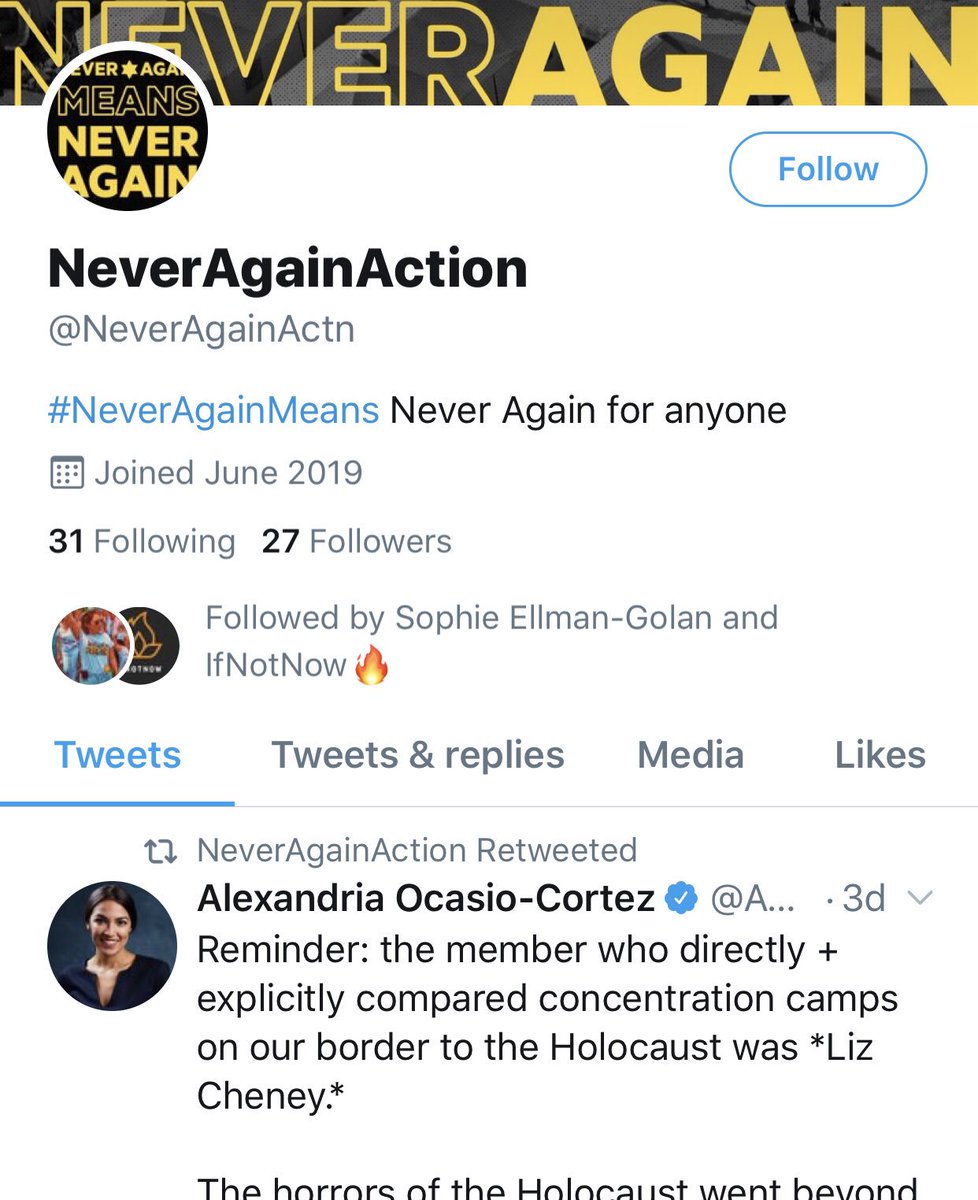
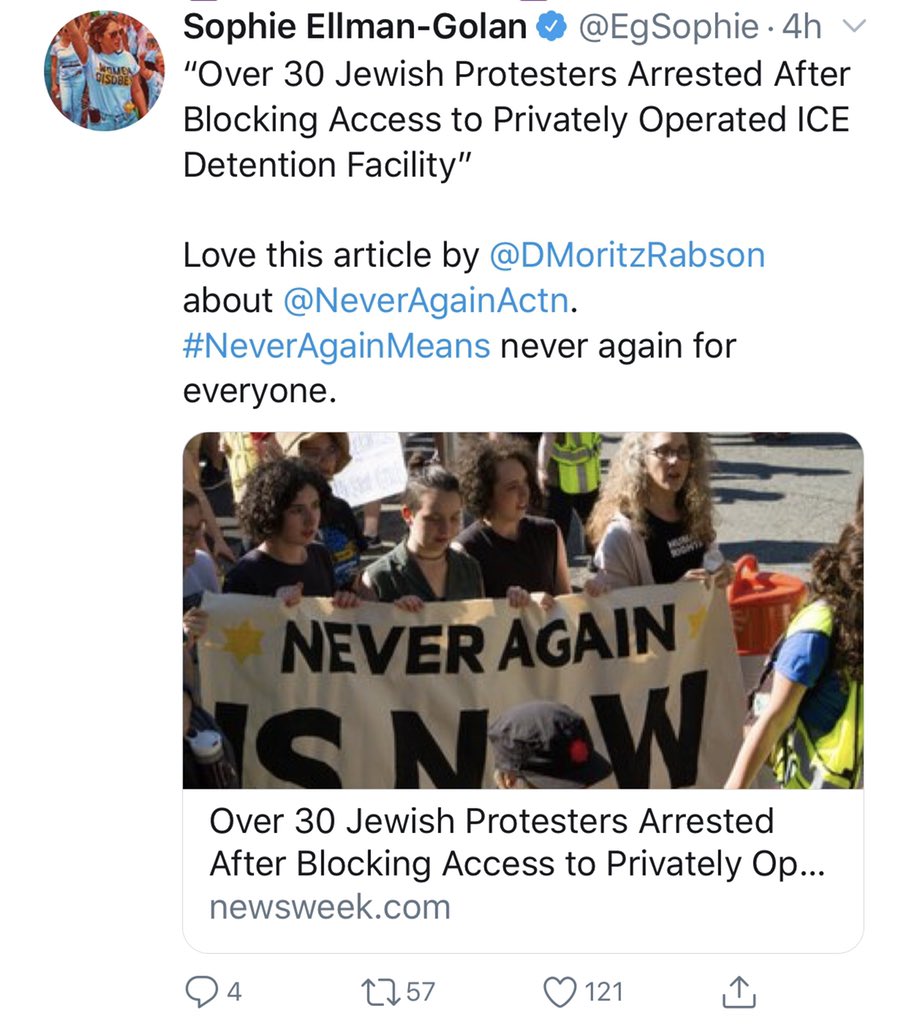
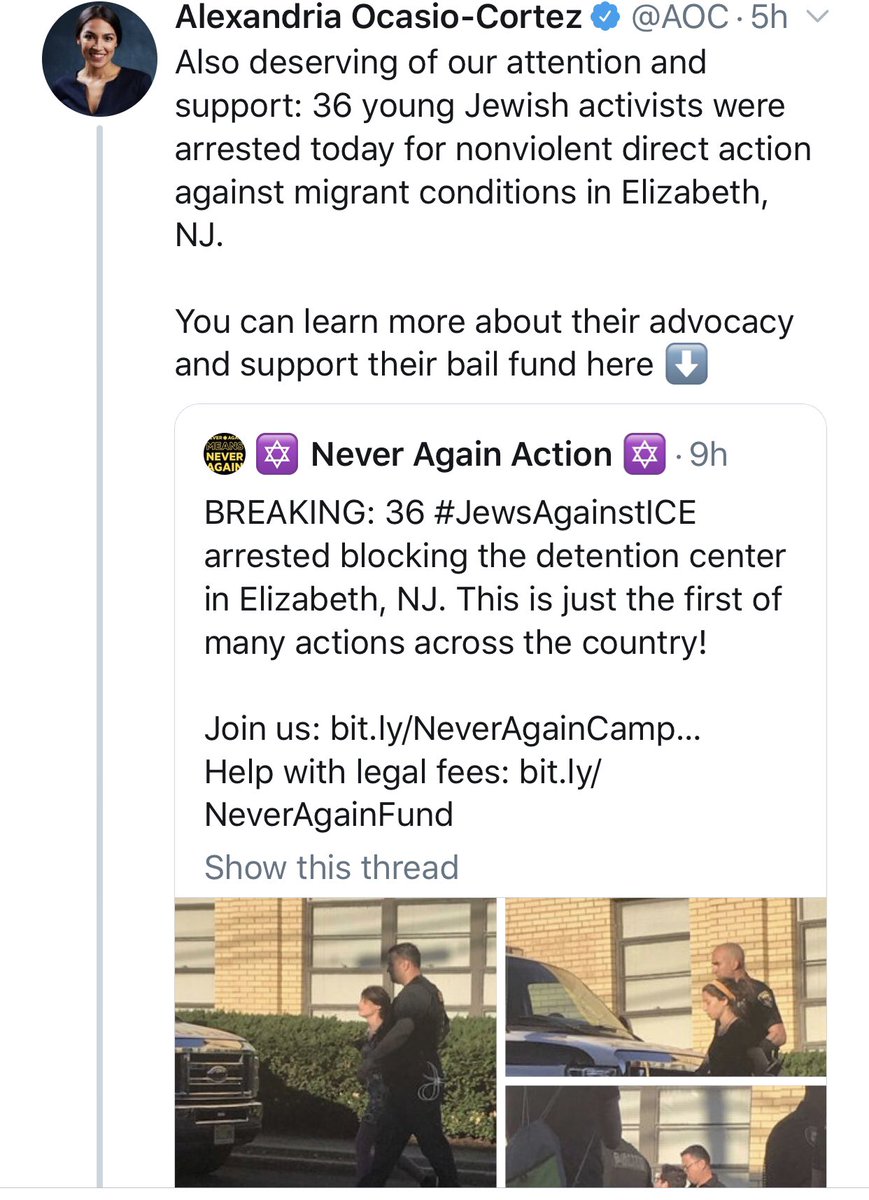
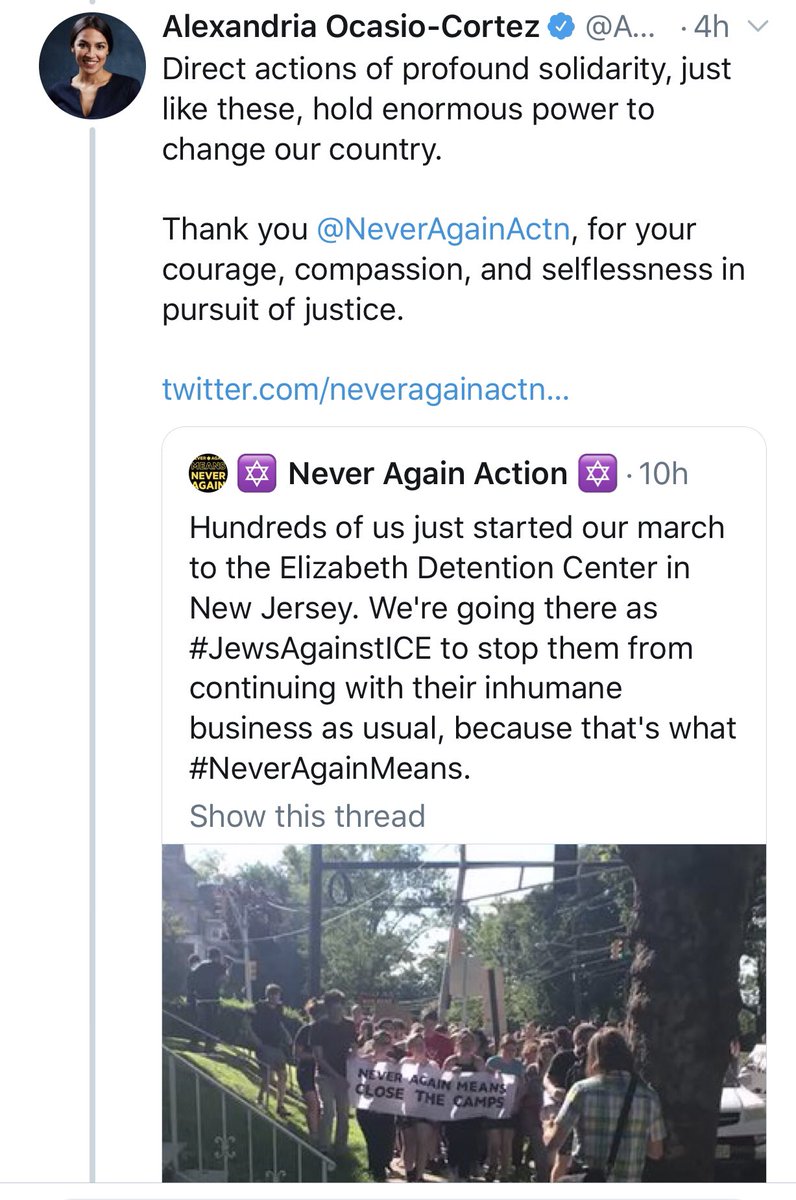
 Never Again Action