Tuesday, August 10, 2021

From Ian:
Arsen Ostrovsky: Hope and Optimism: A Reflection on the Abraham Accords Anniversary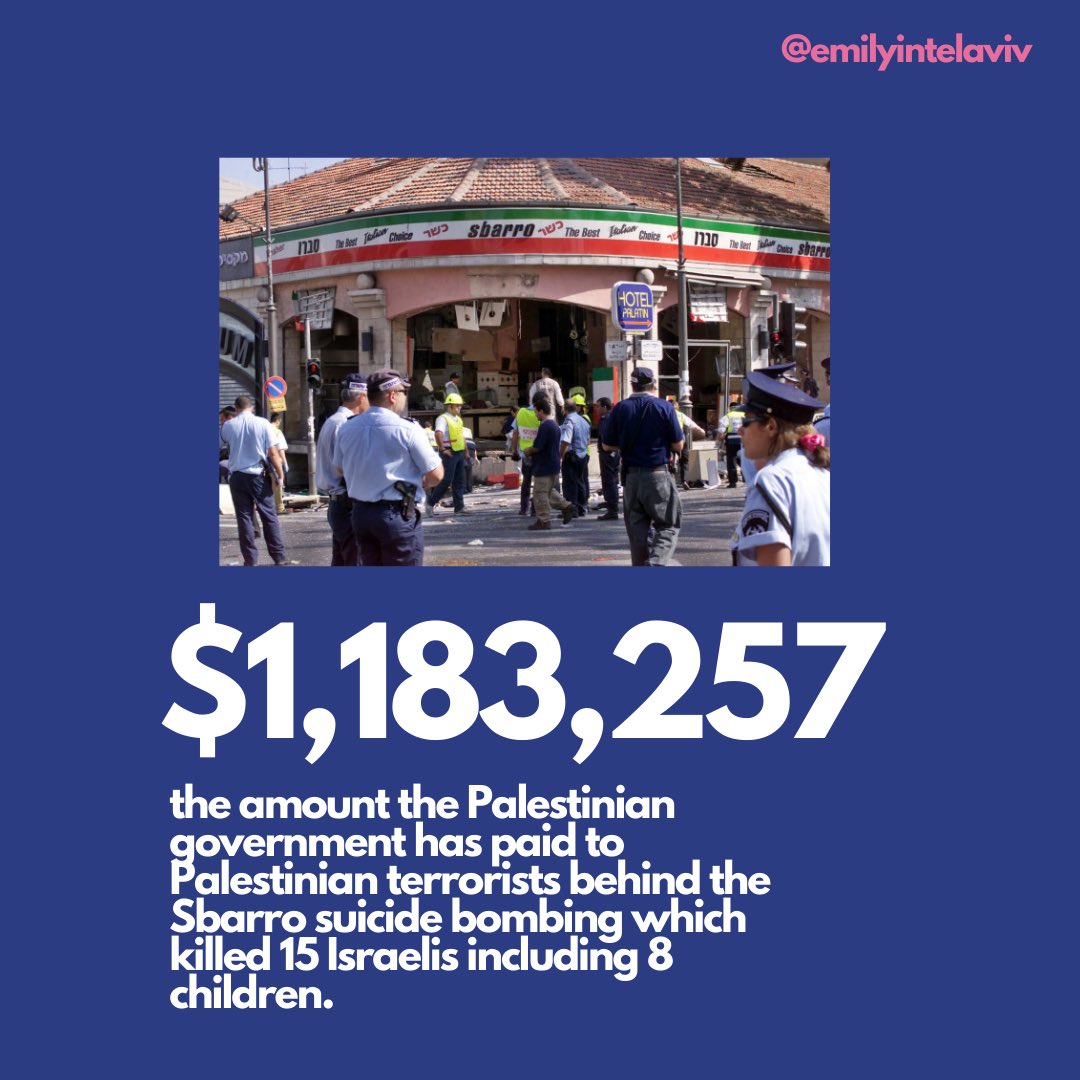
Arsen Ostrovsky: Hope and Optimism: A Reflection on the Abraham Accords Anniversary
These are truly historic times, bringing a paradigm shift in the Middle East and the Jewish state's acceptance in the region. Gone are the days of the infamous "3 Nos" of Khartoum, instead replaced with "3 Yeses"—yes to peace, yes to negotiations and yes to recognition.Israel-Morocco Ties Deepen as Lapid Prepares for Rabat Trip
There is a tremendous, palpable sense of excitement and optimism not only amongst Israelis, who yearn for peace and normalization with our Arab neighbors, but also amongst our newfound friends from the Gulf. The feeling is reciprocal.
One would imagine that, after not having formal diplomatic relations for decades, these countries would proceed to embrace each other at a steady, incremental pace. But that couldn't have been more wrong. Instead, they have moved with remarkable speed. From direct flights and the opening of embassies to the signing of new agreements, bilateral trade and cooperation on COVID-19 responses, health and education, the sky is truly the limit.
In May of this year, I found myself rushing to the bomb shelter in Tel Aviv with my family after a wave of rocket attacks from Hamas in Gaza. The first people to message me to ask "are you ok?" were my friends from the UAE. This would have been unthinkable barely a year ago, but moved me so deeply beyond words.
As the first anniversary of the Abraham Accords approaches next week, I have never been more hopeful, inspired or optimistic about the future of Israel's relations with the Arab world. This is a real friendship based on shared values and a mutual commitment to create more prosperous, peaceful and tolerant societies, both today and for future generations.
Peace is very much like a flower. Politicians and diplomats plant the seeds of peace, but ultimately, civil society, young leaders, educators and the business community are the ones who allow it to grow. That is what differentiates the Abraham Accords from past agreements—this peace is being led not by the politicians, but by the people on the ground.
In the wake of the signing of the Abraham Accords last year, Israel’s renewed diplomatic relationship with Morocco appears to be bearing fruit, as a raft of cooperation agreements between the two countries are reportedly in the pipeline.20th Anniversary of Sbarro Terror Attacks Commemorated, Along With Demands for Extradition of Mastermind From Jordan
In July, Israel and Morocco signed a cybersecurity cooperation agreement, which was the first time the two countries had reached a deal on anything since the renewal of ties, according to Israeli outlet Globes.
The foundations for that signing were laid after Foreign Affairs Ministry director-general Alon Ushpiz’s recent trip, which mapped out the required steps to promote economic and trade cooperation.
Economy Minister Orna Barbivay is also expected to visit Morocco in the coming weeks at the head of a delegation of businesspeople and industrialists, reported Globes.
The cybersecurity deal is not thought to relate to the recent furor over Morocco’s alleged use of Israeli company NSO’s Pegasus spyware, in which the government supposedly spied on political opponents and surveilled one of French President Emmanuel Macron’s cell phones.
Despite Israel and Morocco signing last years’ accord, Prime Minister Saad-Eddine El Othmani, head of the Islamic Justice and Development Party and a supporter of the Palestinian cause, said that he would not be meeting with Foreign Minister Yair Lapid during his visit to Morocco.
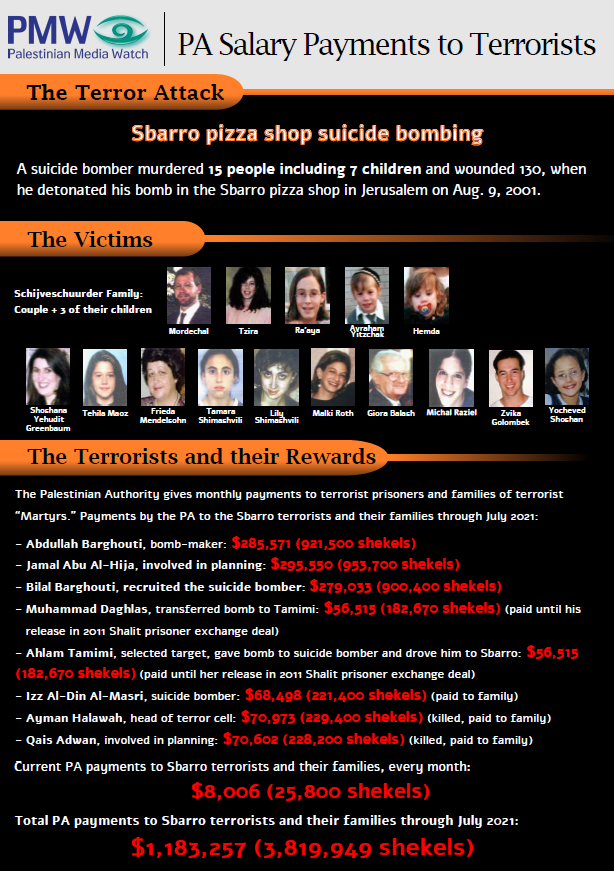
Jewish groups and Israeli and US officials marked the 20th anniversary on Monday of the infamous Palestinian terrorist bombing of the popular Sbarro pizza eatery in Jerusalem, with some calling on the US to demand extradition of one of its masterminds to face charges for the deaths of Americans killed in the attack.
The Hamas-orchestrated bombing, which took place in 2001 at the height of the Second Intifada, killed 15 innocent people and wounded over a hundred.
The World Jewish Congress marked the occasion with a video featuring testimonies from the survivors and a tribute to the victims.
Several commentators pointed out that one of the masterminds of the bombing, Ahlam Tamimi, remains at large under Jordanian protection, even though she is under indictment in the US on terror charges.
Arnold Roth, whose daughter Malki was among those murdered by Tamimi, tweeted a video from 2017 on the unsealing of Tamimi’s indictment, saying, “The tweet below is from March 14 2017, four years to the day that US terror charges against the @Sbarro bomber were finally unsealed.”
“Please honor the Sbarro victims today on the massacre’s 20th anniversary by viewing the clip,” he said. “Please help us get justice done.”
This week marks 20 years since a Palestinian suicide bombing at Sbarro restaurant in Jerusalem during the Second Intifada killed sixteen people, including eight children.
— HonestReporting (@HonestReporting) August 10, 2021
When anti-Israel protesters in Brooklyn chant “Globalize the Intifada,” they call for more bloody violence. pic.twitter.com/fYakNmW0gp
Words cannot convey the enormity of a 20th anniversary of the massacre that took our child's life. Instead I'll focus on the ongoing travesty of justice and home in on the US @StateDept's current stancehttps://t.co/6VWL4aFzEA pic.twitter.com/EGD47JKXaE
— Frimet Roth (@FrimetRoth) August 9, 2021