Tuesday, March 30, 2021

From Ian:
David Singer: End Netanyahu-hatred – start advancing Israel’s national interest instead
Jpost Editorial: Israel is ready for an Arab party in the governing coalition - editorial
David Singer: End Netanyahu-hatred – start advancing Israel’s national interest instead
It is surely time for Netanyahu-haters - Gideon Sa'ar, Naftali Bennett and even Avigdor Liberman - to end their feuds with Prime Minister Benjamin Netanyahu by joining a national right-wing coalition Government - headed by Netanyahu - to advance Israel’s national interest in Judea and Samaria – with the backing of a comfortable parliamentary majority.
Three elections held on April 9 2019, September 7, 2019 and March 2, 2020 failed to achieve this objective – principally because Liberman’s hatred of Netanyahu saw him choosing to enter Opposition on all three occasions – and Bennett's joining the Opposition once (and his once not passing the threshhold after splitting from the Jewish Home Party)- rather than joining Netanyahu’s Governments.
The financial cost of holding four elections in 2 years is estimated to be $4.24 billion – a massive waste of money.
This madness needs to end – as pundits ponder the possibility of a fifth election as the sun is still setting on the fourth – which at the time of writing does not appear to have given Netanyahu and his political allies the 61 votes needed to govern in their own right.
Liberman and Bennett and Sa'ar– all leaders of right wing parties - with similar policies and politics to Netanyahu – need to pull their heads out of the sand and join a Netanyahu-led coalition to ensure no fifth election is going to happen.
Israel’s failure to act on President Trump’s Deal of the Century which would have seen the extension of Israeli sovereignty in about 30% of Judea and Samaria allocated to Israel – was a missed opportunity whilst Trump was President. However Trump’s plan, with changes, still remains best the way forward – whether the Biden administration endorses it or not.
Netanyahu, Liberman and Bennett and the parties they head have a common shared interest in seeing this extension of Israeli sovereignty happen.
Jpost Editorial: Israel is ready for an Arab party in the governing coalition - editorial
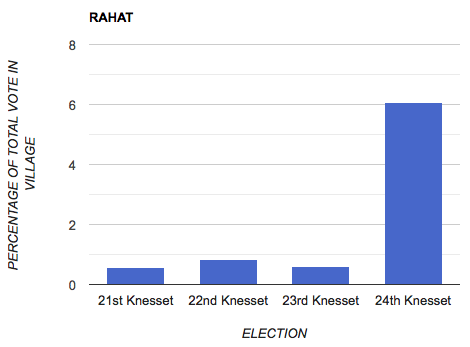
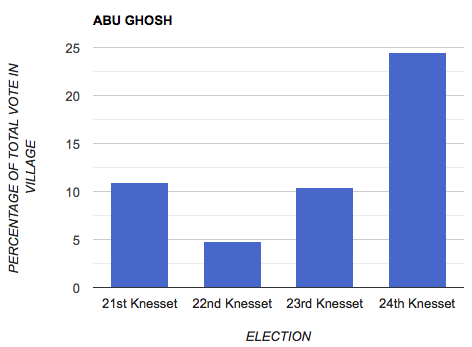
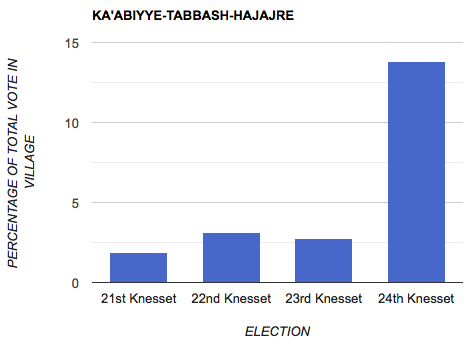
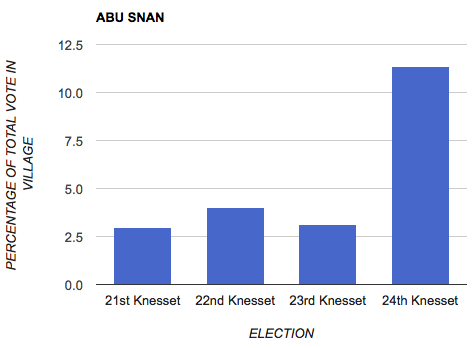
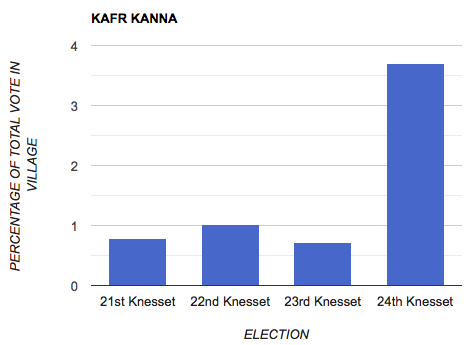
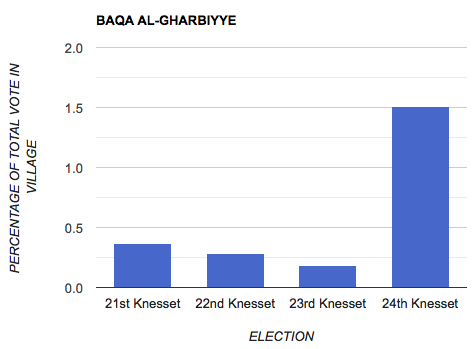
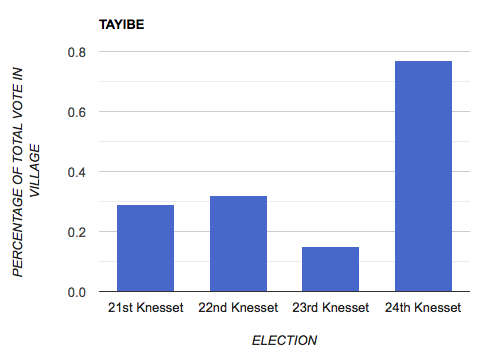
Abbas himself has indicated that he would be willing to play ball.
“Most of the time, the Arab parties automatically are part of the Left, without considering key issues,” Abbas told The Jerusalem Post in December. “We need to reposition ourselves toward the entire Israeli political spectrum and not one side. We are not in the pockets of the Left or the Right. We need to act within the interests of the Arab society that chose us.”
Abbas said he believed that the only way for Arab citizens to secure government support in their fight for funding against the main problems facing the Arab community – including poverty, gang violence and housing restrictions – is to be part of the government.
It should be noted that neither Ra’am nor the Joint List is a beacon of democracy. Ra’am, the political wing of the Southern Branch of the Islamic movement, follows an ultra-conservative ideology and is virulently anti-gay. And after the Joint List – comprising Balad, Hadash, Ta’al and Ma’an – announced before the election that it would not share votes with any Zionist party, Meretz officials accused it of choosing nationalism and separatism over Jewish-Arab solidarity.
Netanyahu ruled out the idea of Ra’am joining a government in his election campaign, calling the party anti-Zionist, but did not rule out “parliamentary cooperation.” And some Likud lawmakers – including former communications minister Ayoub Kara, who met with Abbas on Saturday – have come out in favor of bringing Ra’am into a Likud-led coalition.
“There is a difference between the Joint List that cut off the Arab public from Israel and the new pragmatic Ra’am that doesn’t deny Israel’s existence and wants to be a partner in national decisions,” Kara tweeted.
After four consecutive elections, though, there needs to be a meaningful change in Israel’s democratic system. The ultimate vision should be full equality for all its citizens and the integration of all its communities. It is with this in mind that we support the idea of including an Arab party for the first time in the Jewish state’s history of almost 73 years – as long it supports the basic tenets upon which Israel was founded.