Monday, February 12, 2018

From Ian:
Melanie Phillips: The Iranian Drone

Melanie Phillips: The Iranian Drone
Israel’s position today is analogous to Hitler having positioned 150,000 missile batteries in, say, Ireland, all pointing at Britain; and then advancing into France and reaching the Normandy coast, all the while steadily embedding his forces in the Channel Islands.Hoover Institution: The Limits Of The Indirect Approach
Britain finally went to war when Hitler invaded Poland. Even in appeasement Britain, no-one suggested it should have waited until the Nazis reached the French coast before it decided to fight them. Had it do so, Britain along with Europe would now be a Nazi dictatorship. Yet people expect Israel to sit on its hands while genocidal fanatics intent on its destruction encircle it unimpeded.
Just as with Hitler’s intentions in the 1930s, the Iranian regime’s implacable intention to exterminate Israel has been ignored, downplayed or denied. Now the significance of the Iranian drone is being downplayed, mischaracterised or denied.
No civilised country wants war, and Israel will do everything it can to avoid an all-out conflict. But Iran is already at war with Israel – a war Iran has initiated. The question today is whether the strength and accuracy of Israel’s response to the drone will deter Iran from further aggression.
There will be a far greater chance of averting all-out war if Britain and Europe finally come to their senses and start holding Iran’s feet to the fire rather than seeking to sanitise, excuse and reward it at every opportunity.
The answer to the question, however, depends on what Iran was intending when it dispatched its drone into Israel. From the information that has so far been made public, it is impossible to tell.
We must hope Israel itself knows the answer, and that it will do accordingly whatever it needs to do. Western nations may disapprove; but in the past when Jews faced extermination, these western nations chose to look the other way. And when today Israelis are murdered by Arab or Islamic fanatics these western nations still look the other away or, worse still, blame Israel for its own victimisation.
These nations may afford themselves the luxury of setting the value of Jewish lives at zero. But the State of Israel was founded on the principle “never again”; and if needs be it will also say, just as the defiant British soldier declared in the famous David Low cartoon in that darkest hour: “Very well, alone”.
These developments represent a strategic setback for the United States and its allies. America had an opportunity to prevent this outcome during the previous six years. The Obama administration’s expressed policy at the time, however, was to respect Iran’s “equities” in Syria. This opportunity was squandered and the position of Syrian anti-Iranian forces is far weaker today. But the overriding US interest in Syria has not changed: disrupt this Iranian territorial link and degrade Hezbollah and the IRGC and their weapons capabilities in Syria and Lebanon. This is a priority that the United States still can, and should, pursue, even if it requires a more direct involvement today than it would have a few years ago.Caroline Glick: Syria – The War Everyone Must Fight and No One Can Win
The Iranian forces are vulnerable. They are overstretched and, in certain cases, they are operating in exposed terrain. The new military structures they are building are equally exposed. Israel has been exploiting these vulnerabilities to target military installations, bases, and weapons shipments, as well as senior IRGC and Hezbollah cadres. The Russian presence has not deterred the Israelis. The United States should reinforce this Israeli policy by adopting Israeli red lines as its own. And, using the considerable elements of US power in the region, it can expand this campaign against Iran’s and Hezbollah’s military infrastructure, arms shipments, logistical routes, and senior cadres. Local Syrian groups in eastern and southern Syria, and their sponsors, should also be empowered to take part in this endeavor.
Having the United States behind this policy strengthens Israel’s position vis-à-vis the Russians and provides it more room to maneuver, especially in the case of a conflagration with Hezbollah that expands to Lebanon. Throughout the Syrian war, the US position has held sacrosanct Lebanese stability, even as Lebanon was the launching pad for Hezbollah’s war effort in Syria, Iraq, and Yemen, and even as the group multiplied its stockpile of missiles aimed at Israel. Should the targeting of IRGC and Hezbollah assets lead to an escalation that encompasses Lebanon, the United States should offer full backing to Israel as it destroys Iran’s infrastructure in Lebanon and degrades its long arm on the Mediterranean. Lebanon’s stability, insofar as it means the stability of the Iranian order and forward missile base there, is not, in fact, a US interest.
The Trump administration’s anti-Iran posture and its recognition that Iran is an adversary, not a partner, is a much-needed corrective to the previous administration’s policy. The profound strategic challenges and geopolitical shifts which resulted from Obama’s policy of realignment with Iran severely complicate the task of pushing back against Tehran in the region and significantly narrow US options. The moment calls for strategic clarity and a set of policies that rise to the nature of the challenge. While there’s room for measures that work over the long term, the United States also needs other options to address immediate priorities.
Netanyahu’s last meeting with Putin was on January 29. In media briefings before and after their meeting, Netanyahu said that he spoke to Putin about three issues. First, due to Israel’s success in blocking Iran from transferring precision-guided missiles to Hezbollah in Lebanon through Syria, Iran is now building missile factories for Hezbollah inside of Lebanon. Netanyahu pledged to destroy those factories.
In his words, “Lebanon is becoming a factory for precision-guided missiles that threaten Israel. These missiles pose a grave threat to Israel, and we cannot accept this threat.”
Second, Netanyahu warned Putin that Israel will not accept Iranian military entrenchment in Syria through the construction of permanent bases, among other things. Netanyahu explained, “The question is: Does Iran entrench itself in Syria, or will this process be stopped. If it doesn’t stop by itself, we will stop it.”
Third, Netanyahu spoke to Putin about improving Obama’s nuclear deal with the Iranian regime.
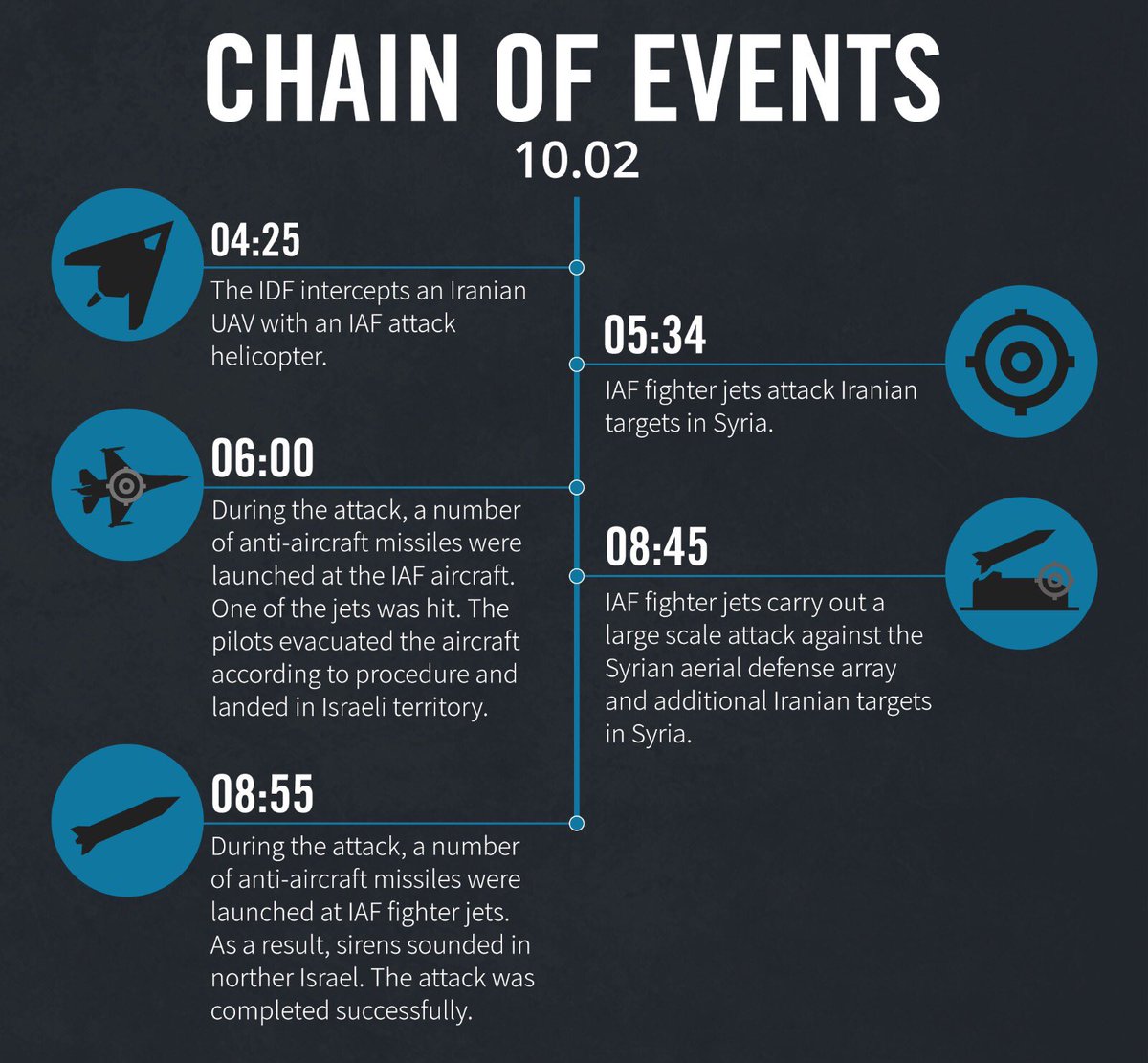
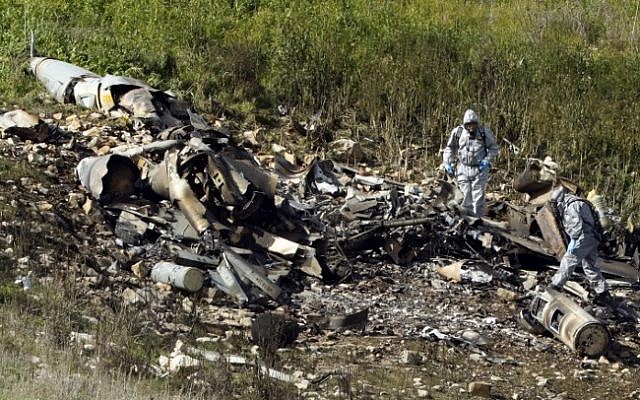
Russia is both a resource and a threat to Israel. It is a resource because Russia is capable of constraining Iran and Hezbollah. Israel treated Russia as a resource Saturday, when in the wake of its violent confrontations with Iran, which included Israel’s Air Force’s first combat loss of an F-16 since the 1980s, Israel turned to the Russians with an urgent request for them to restrain the Iranians.
Russia is a threat to Israel because it is Iran’s coalition partner. Until Russia deployed its forces to Syria, it appeared that the regime and its Iranian overlords were losing the war, or at least unable to win it. After Russia began providing air support for their ground operations, the tide of the war reversed in their favor.
At any rate, Israel is in no position to persuade Russia to abandon Syria. Russia’s presence in the region limits Israel’s actions but also guarantees that Israel will continue to act, because its vital interests will continue to come under threat and intermittent attack.
In all, the situation in Syria is and will remain unstable and exceedingly violent for the foreseeable future. Syria is not only a local battlefield where various Syrian factions vie for control over separate areas of the country – although it remains such a local battlefield.